Investing, Personal Finance Course

6.3 Risk vs Return Explained: How to Make Smarter Investment Decisions

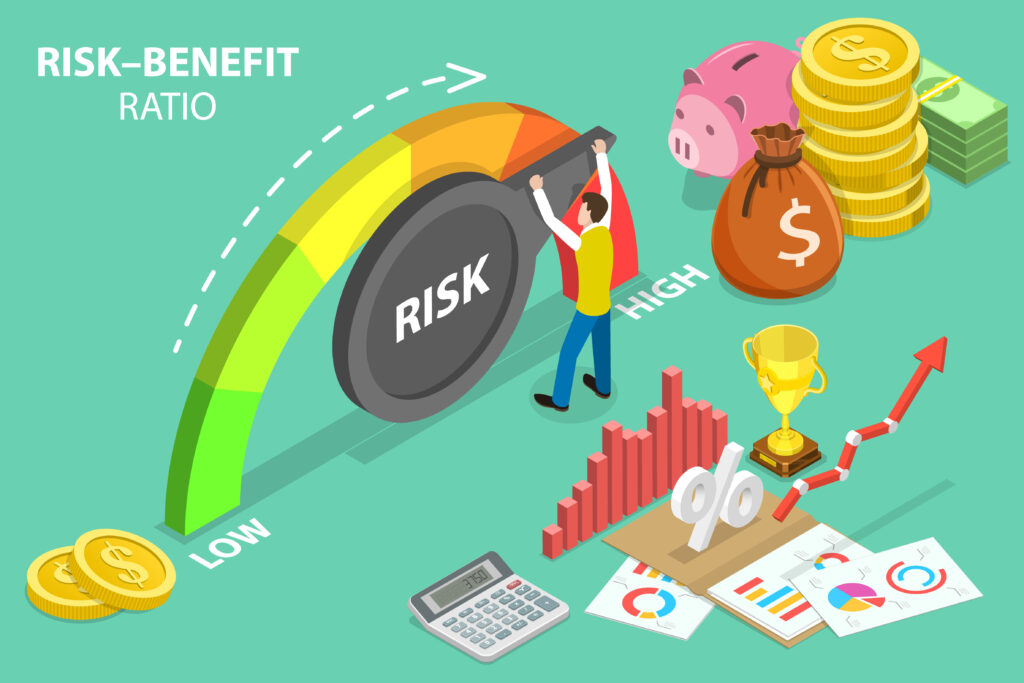
Risk versus return represents fundamental investing principle—higher potential returns require accepting higher risk (volatility, loss potential) creating unavoidable trade-off where 10-12% stock gains demand tolerating 20-50% temporary declines, versus 3-5% bond returns eliminating volatility but sacrificing growth. Learn risk-return spectrum, historical volatility data, balanced allocation strategies, managing risk appropriately, expected outcomes by risk level, and why understanding this relationship essential for informed investing.

Investing, Personal Finance Course

6.2 Saving vs Investing: What’s the Difference and When to Do Each

Saving versus investing represents fundamental financial choice—savings preserves money in guaranteed 0.5-5% accounts for short-term needs, investing allocates to growth assets earning 6-12% for long-term goals accepting volatility. Learn fundamental differences, 30-year wealth impact ($523,000 differential), appropriate allocation strategy by age and timeline, common mistakes (all-savings or all-investing extremes), and balanced approach creating both emergency stability and retirement prosperity.

Investing, Personal Finance Course

6.1 What Is Investing? A Beginner’s Guide to Building Wealth

Investing is allocating money to assets expected to generate returns through appreciation and income, averaging 8-12% annually versus 0.5-5% savings accounts. Learn investing versus saving distinctions, compound return power creating $523,000 wealth differential, investment types (stocks, bonds, funds, real estate), retirement necessity, account types (401k, IRA, taxable), getting started with index funds, and avoiding common beginner mistakes.

Debt Management, Personal Finance Course

5.10 How to Become Debt-Free: A Step-by-Step Plan

Becoming debt free means eliminating all consumer debt obligations liberating $500-1,500 monthly from payments enabling wealth building. Learn comprehensive debt-free plan creation with method selection and timeline, journey phases (foundation, momentum, final push), staying debt-free through emergency fund and behavior changes, wealth redirection strategies, and 30-year wealth comparison showing $1,090,000 differential from debt freedom.

Debt Management, Personal Finance Course

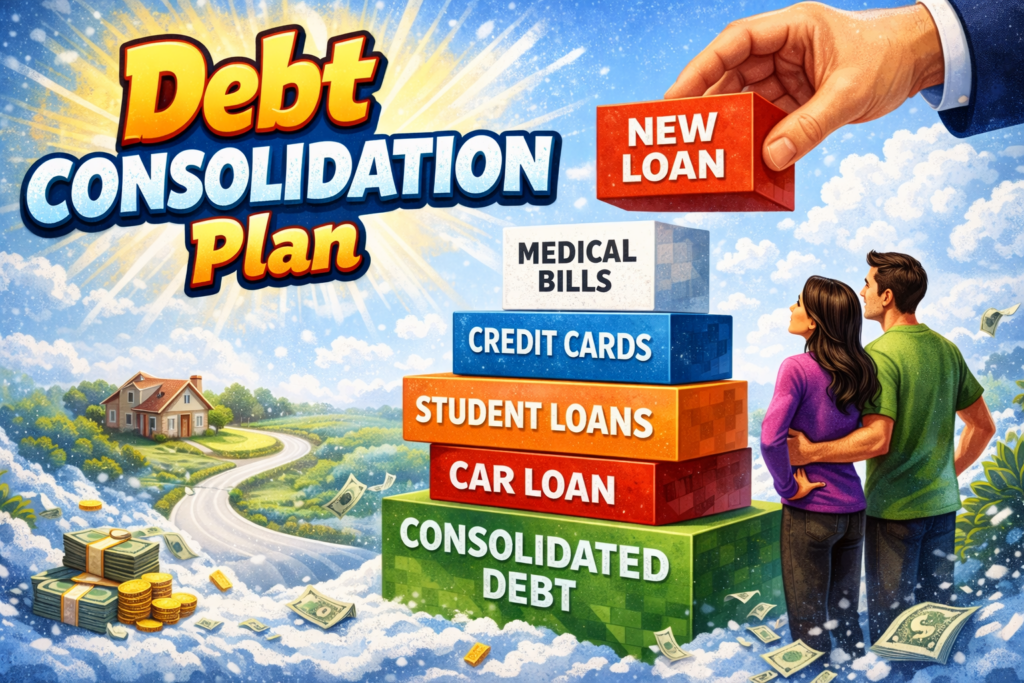
5.9 Debt Consolidation Explained: Should You Combine Your Debt?

Debt consolidation combines multiple debts into single loan with unified payment, potentially lowering interest rates and simplifying management. Learn consolidation mechanics, product types (personal loans, balance transfers, home equity), when beneficial versus when aggressive current payment superior, hidden costs including origination fees, double-debt trap prevention, and critical success requirements including account closure and behavioral changes.

Debt Management, Personal Finance Course

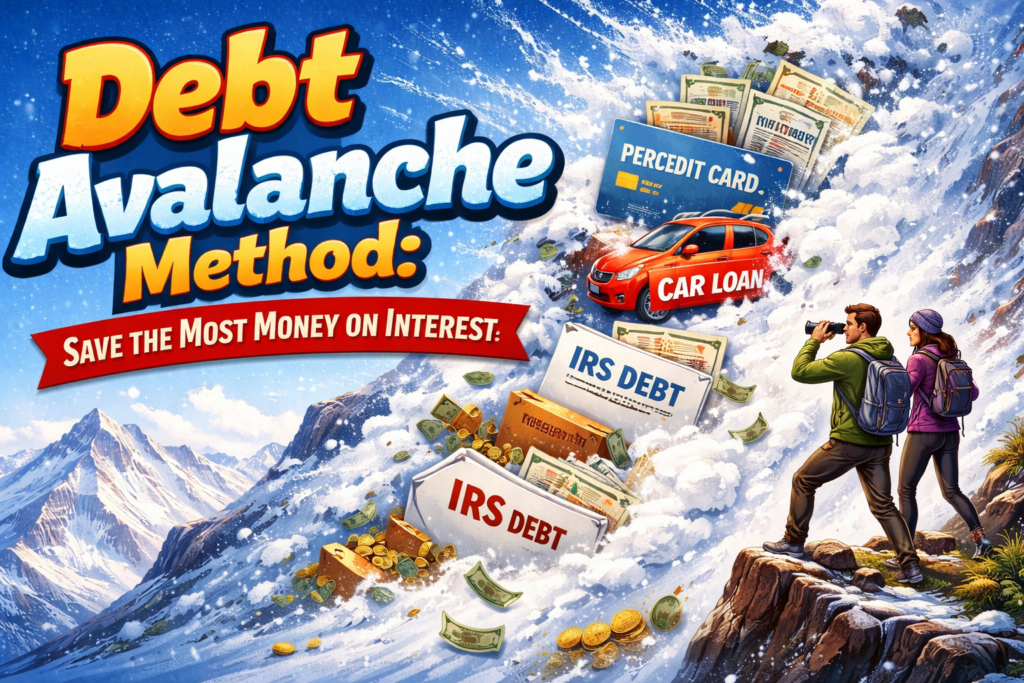
5.8 Debt Avalanche Method: Save the Most Money on Interest

Debt avalanche method is mathematically-optimal debt elimination strategy attacking highest APR first regardless of balance, minimizing total interest paid saving $500-2,000 typical versus snowball. Learn avalanche mechanics, detailed snowball comparison, implementation with interest-savings tracking, personality fit assessment, hybrid approaches, and when mathematical optimization outweighs psychological quick-win benefits.

Debt Management, Personal Finance Course

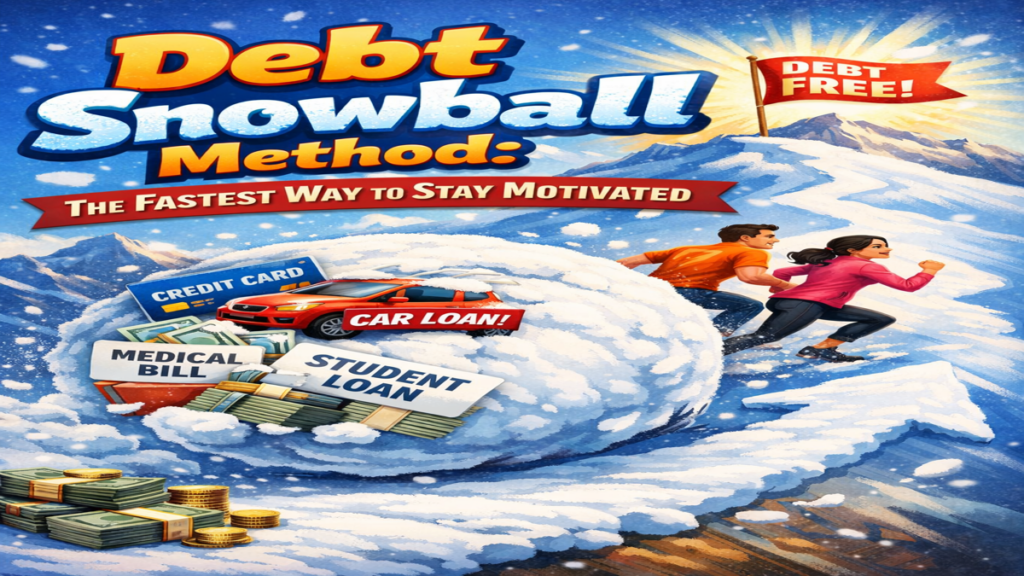
5.7 Debt Snowball Method: The Fastest Way to Stay Motivated

Debt snowball method is debt elimination strategy attacking smallest balance first regardless of interest rate, creating psychological momentum through quick wins within 3-6 months. Learn snowball mechanics, snowball vs avalanche comparison, implementation steps, maximizing success through intensity and tracking, and why behavioral approach produces superior completion rates despite modest interest premium accepting execution over optimization.

Debt Management, Personal Finance Course

5.6 Credit Card Debt: Why It’s Dangerous and How to Control It

Credit card debt is revolving unsecured debt accumulated through unpaid credit card balances at 15-29.99% APR creating compounding high-interest obligations. Learn interest calculation, minimum payment trap requiring 15+ years on $5,000 balance, elimination strategies (debt avalanche, snowball, balance transfers), acceleration tactics, prevention through emergency funds, and strategic card usage paying full balances.

Debt Management, Personal Finance Course

5.5 Auto Loans Explained: What to Know Before Financing a Car

Auto loans are secured installment debts for purchasing vehicles with the car as collateral, featuring 36-72 month terms and 4-12% interest rates depending on credit. Learn auto loan mechanics, new vs used financing, interest rate impacts by credit score, term length implications creating underwater scenarios, 20/4/10 affordability rule, dealer tactics, and strategic vehicle selection capturing depreciation savings.

Debt Management, Personal Finance Course

5.4 Mortgage Loans Explained: How Home Loans Really Work

Mortgage loans are secured debts for purchasing or refinancing real estate with property as collateral, featuring 15-30 year terms and 6-8% interest rates. Learn mortgage mechanics, loan types (conventional, FHA, VA, USDA), fixed vs adjustable rates, qualification requirements (credit, DTI, down payment), total ownership costs beyond payments, and strategic management including refinancing and accelerated payoff.

Scroll to Top