Investing

Investing, Personal Finance Course

6.3 Risk vs Return Explained: How to Make Smarter Investment Decisions

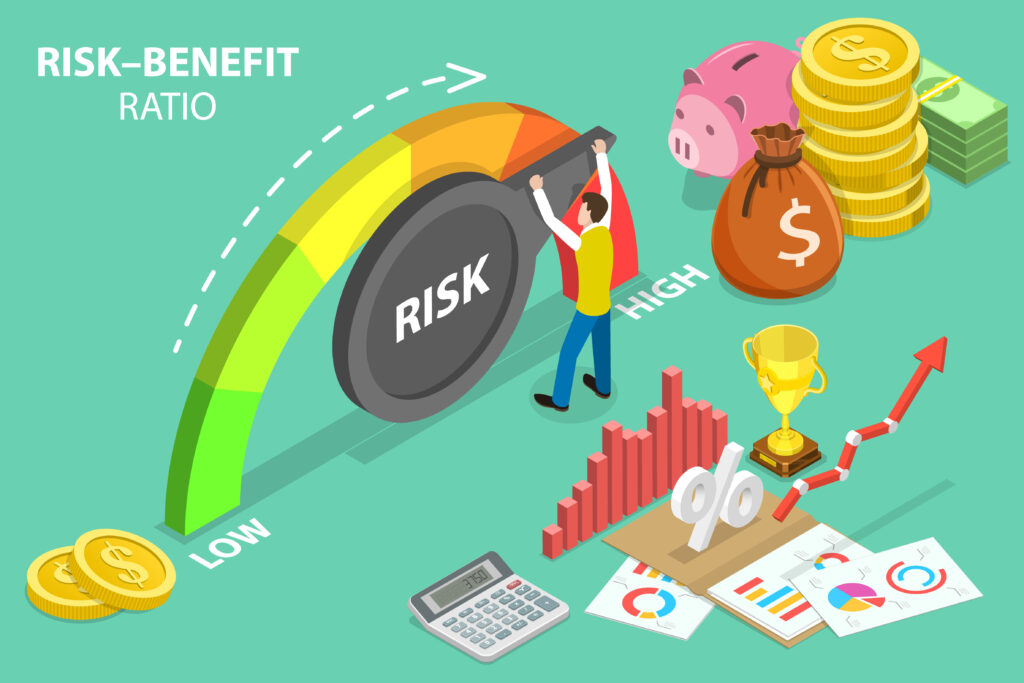
Risk versus return represents fundamental investing principle—higher potential returns require accepting higher risk (volatility, loss potential) creating unavoidable trade-off where 10-12% stock gains demand tolerating 20-50% temporary declines, versus 3-5% bond returns eliminating volatility but sacrificing growth. Learn risk-return spectrum, historical volatility data, balanced allocation strategies, managing risk appropriately, expected outcomes by risk level, and why understanding this relationship essential for informed investing.


Investing, Personal Finance Course

6.2 Saving vs Investing: What’s the Difference and When to Do Each

Saving versus investing represents fundamental financial choice—savings preserves money in guaranteed 0.5-5% accounts for short-term needs, investing allocates to growth assets earning 6-12% for long-term goals accepting volatility. Learn fundamental differences, 30-year wealth impact ($523,000 differential), appropriate allocation strategy by age and timeline, common mistakes (all-savings or all-investing extremes), and balanced approach creating both emergency stability and retirement prosperity.

Investing, Personal Finance Course

6.1 What Is Investing? A Beginner’s Guide to Building Wealth

Investing is allocating money to assets expected to generate returns through appreciation and income, averaging 8-12% annually versus 0.5-5% savings accounts. Learn investing versus saving distinctions, compound return power creating $523,000 wealth differential, investment types (stocks, bonds, funds, real estate), retirement necessity, account types (401k, IRA, taxable), getting started with index funds, and avoiding common beginner mistakes.

Scroll to Top