Debt Management

Debt Management, Personal Finance Course

5.10 How to Become Debt-Free: A Step-by-Step Plan

Becoming debt free means eliminating all consumer debt obligations liberating $500-1,500 monthly from payments enabling wealth building. Learn comprehensive debt-free plan creation with method selection and timeline, journey phases (foundation, momentum, final push), staying debt-free through emergency fund and behavior changes, wealth redirection strategies, and 30-year wealth comparison showing $1,090,000 differential from debt freedom.
Debt Management, Personal Finance Course

5.9 Debt Consolidation Explained: Should You Combine Your Debt?

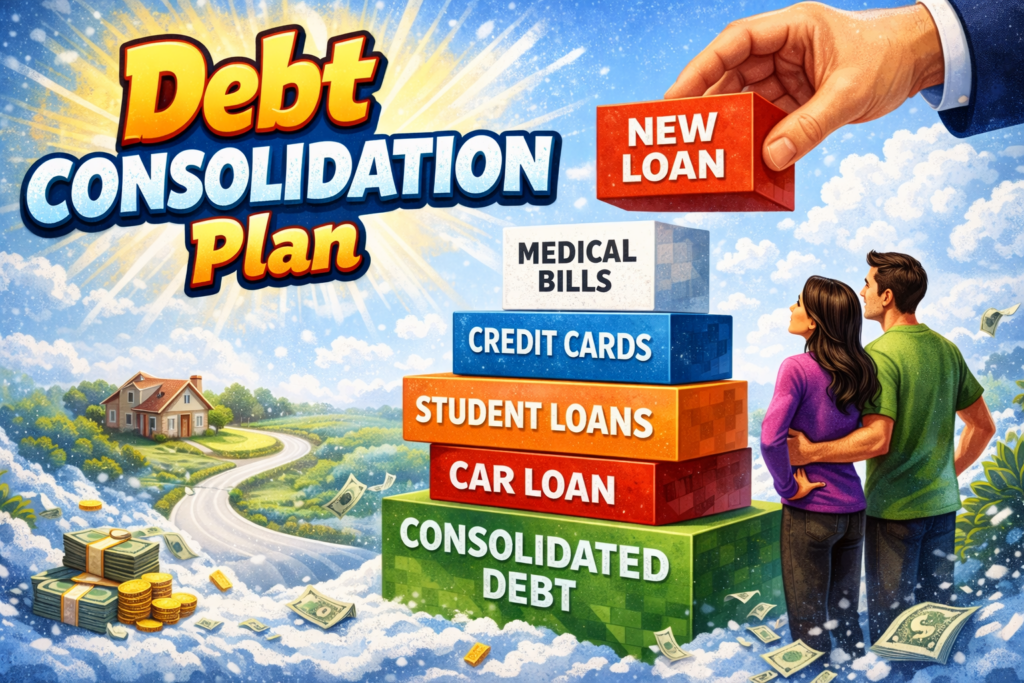
Debt consolidation combines multiple debts into single loan with unified payment, potentially lowering interest rates and simplifying management. Learn consolidation mechanics, product types (personal loans, balance transfers, home equity), when beneficial versus when aggressive current payment superior, hidden costs including origination fees, double-debt trap prevention, and critical success requirements including account closure and behavioral changes.

Debt Management, Personal Finance Course

5.8 Debt Avalanche Method: Save the Most Money on Interest

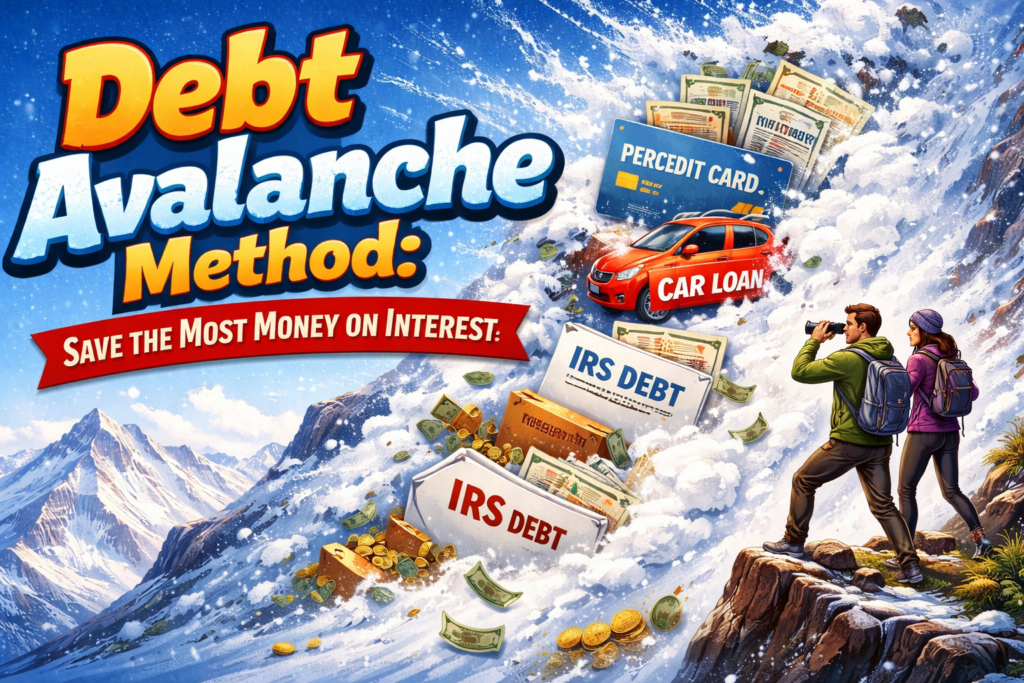
Debt avalanche method is mathematically-optimal debt elimination strategy attacking highest APR first regardless of balance, minimizing total interest paid saving $500-2,000 typical versus snowball. Learn avalanche mechanics, detailed snowball comparison, implementation with interest-savings tracking, personality fit assessment, hybrid approaches, and when mathematical optimization outweighs psychological quick-win benefits.

Debt Management, Personal Finance Course

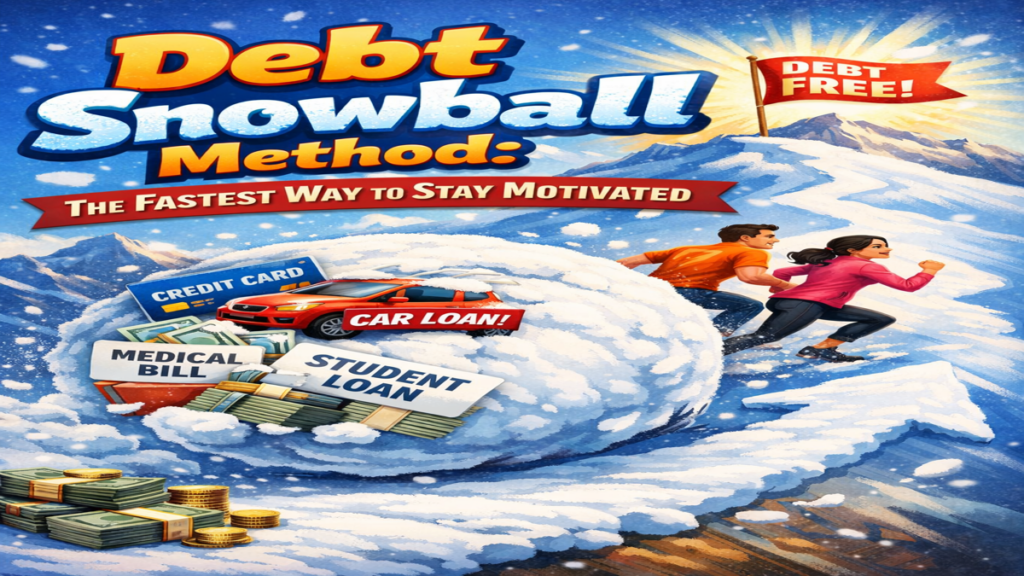
5.7 Debt Snowball Method: The Fastest Way to Stay Motivated

Debt snowball method is debt elimination strategy attacking smallest balance first regardless of interest rate, creating psychological momentum through quick wins within 3-6 months. Learn snowball mechanics, snowball vs avalanche comparison, implementation steps, maximizing success through intensity and tracking, and why behavioral approach produces superior completion rates despite modest interest premium accepting execution over optimization.

Debt Management, Personal Finance Course

5.6 Credit Card Debt: Why It’s Dangerous and How to Control It

Credit card debt is revolving unsecured debt accumulated through unpaid credit card balances at 15-29.99% APR creating compounding high-interest obligations. Learn interest calculation, minimum payment trap requiring 15+ years on $5,000 balance, elimination strategies (debt avalanche, snowball, balance transfers), acceleration tactics, prevention through emergency funds, and strategic card usage paying full balances.

Debt Management, Personal Finance Course

5.5 Auto Loans Explained: What to Know Before Financing a Car

Auto loans are secured installment debts for purchasing vehicles with the car as collateral, featuring 36-72 month terms and 4-12% interest rates depending on credit. Learn auto loan mechanics, new vs used financing, interest rate impacts by credit score, term length implications creating underwater scenarios, 20/4/10 affordability rule, dealer tactics, and strategic vehicle selection capturing depreciation savings.

Debt Management, Personal Finance Course

5.4 Mortgage Loans Explained: How Home Loans Really Work

Mortgage loans are secured debts for purchasing or refinancing real estate with property as collateral, featuring 15-30 year terms and 6-8% interest rates. Learn mortgage mechanics, loan types (conventional, FHA, VA, USDA), fixed vs adjustable rates, qualification requirements (credit, DTI, down payment), total ownership costs beyond payments, and strategic management including refinancing and accelerated payoff.

Debt Management, Personal Finance Course

5.3 Student Loans Explained: What Every Borrower Must Know

Student loans are borrowed funds for education expenses creating obligation to repay principal plus interest after graduation. Federal loans offer fixed rates 4-7%, income-driven repayment, and potential forgiveness versus private loans at 7-14% with fewer protections. Learn federal vs private differences, ROI calculation limiting debt to 1x first-year salary, repayment plans including PSLF, strategic borrowing, and degree earning potential evaluation.

Debt Management, Personal Finance Course

5.2 Good Debt vs Bad Debt: What You Should Keep and What to Avoid

Good debt finances appreciating assets or income-generating investments where borrowed funds create value exceeding interest costs through equity building, earning capacity increases, or revenue generation—typically characterized by lower interest rates under 8%. Bad debt funds consumption, depreciating purchases, or routine expenses through high-interest borrowing over 15% creating obligations without corresponding value. Learn decision framework, interest rate thresholds, detailed examples, and strategic debt usage.

Debt Management, Personal Finance Course

5.1 What Is Debt? Understanding How Borrowing Really Works

Debt is money owed to another party creating legal obligation to repay borrowed funds plus interest within specified timeframes. Learn debt fundamentals, secured vs unsecured types, revolving vs installment debt, productive vs destructive borrowing, true costs including lifetime interest, opportunity costs, credit score impacts, and strategic framework for when to borrow versus save.

Scroll to Top