Author name: Amit Bansal

Debt Management, Personal Finance Course

5.3 Student Loans Explained: What Every Borrower Must Know

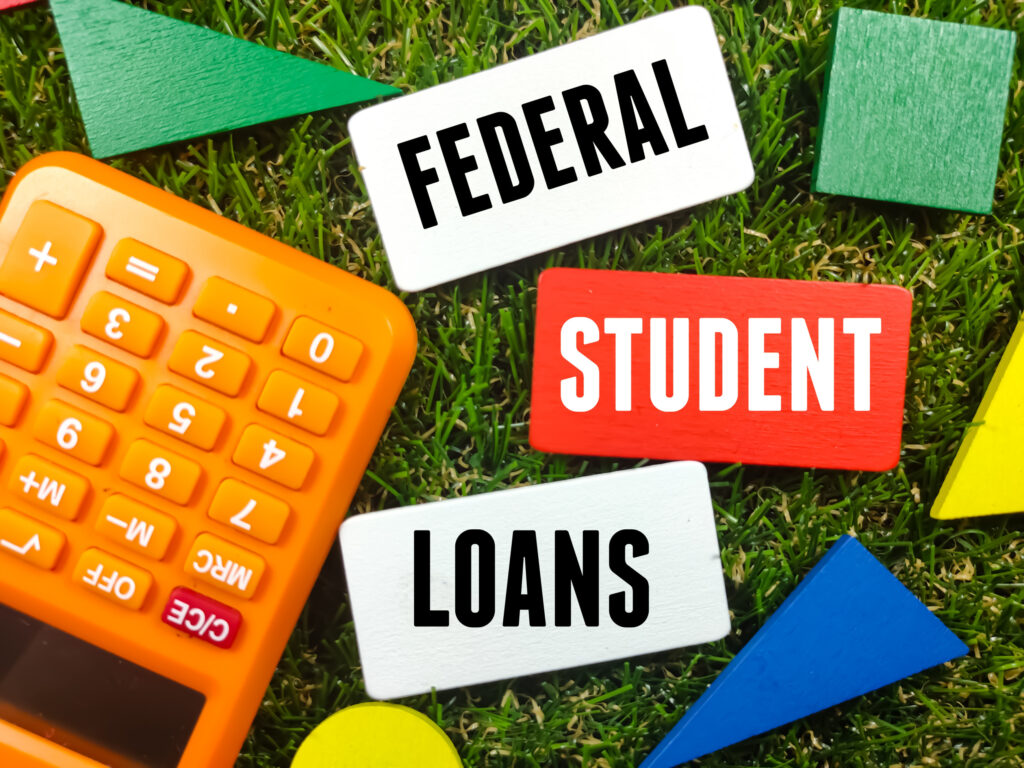
Student loans are borrowed funds for education expenses creating obligation to repay principal plus interest after graduation. Federal loans offer fixed rates 4-7%, income-driven repayment, and potential forgiveness versus private loans at 7-14% with fewer protections. Learn federal vs private differences, ROI calculation limiting debt to 1x first-year salary, repayment plans including PSLF, strategic borrowing, and degree earning potential evaluation.

Debt Management, Personal Finance Course

5.2 Good Debt vs Bad Debt: What You Should Keep and What to Avoid

Good debt finances appreciating assets or income-generating investments where borrowed funds create value exceeding interest costs through equity building, earning capacity increases, or revenue generation—typically characterized by lower interest rates under 8%. Bad debt funds consumption, depreciating purchases, or routine expenses through high-interest borrowing over 15% creating obligations without corresponding value. Learn decision framework, interest rate thresholds, detailed examples, and strategic debt usage.

Debt Management, Personal Finance Course

5.1 What Is Debt? Understanding How Borrowing Really Works

Debt is money owed to another party creating legal obligation to repay borrowed funds plus interest within specified timeframes. Learn debt fundamentals, secured vs unsecured types, revolving vs installment debt, productive vs destructive borrowing, true costs including lifetime interest, opportunity costs, credit score impacts, and strategic framework for when to borrow versus save.

Credit Management, Personal Finance Course

4.10 How to Avoid Debt Traps and Stay Financially Secure

Debt traps are cyclical borrowing patterns where repayment becomes nearly impossible despite regular payments—characterized by high-interest rates, minimum payment structures favoring lender profits, and compounding mechanisms creating debt growth exceeding payment capacity. Learn warning signs (APRs over 36%, minimum payment emphasis, excessive fees), true cost calculations, common traps (payday loans, credit card minimums, BNPL stacking), and sustainable alternatives including emergency funds and payment plans.

Credit Management, Personal Finance Course

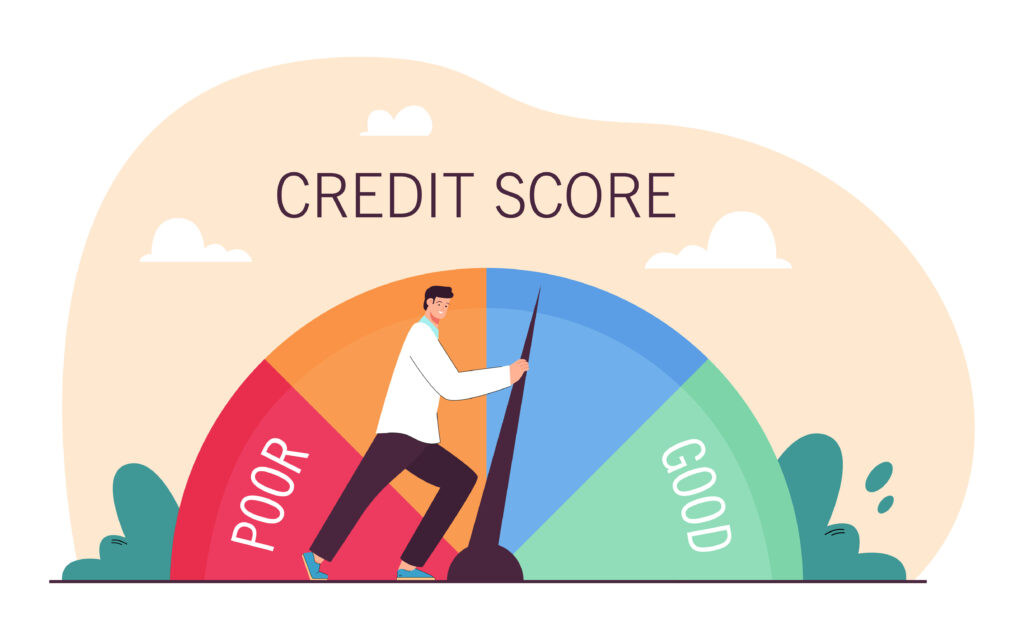
4.9 How to Improve Your Credit Score Fast (Step-by-Step Guide)

Improving credit scores requires understanding five weighted factors—payment history (35%), credit utilization (30%), length of credit history (15%), new credit (10%), and credit mix (10%)—then implementing targeted strategies addressing weak areas through specific actions. Learn fast utilization reduction producing 30-60 point increases within weeks, automatic payment protection preventing catastrophic drops, realistic improvement timelines by starting point, and avoiding credit repair scams.

Credit Management, Personal Finance Course

4.8 Credit Card Interest Explained: Why It Can Keep You in Debt for Years

Interest on credit cards represents the cost of borrowing when balances remain unpaid beyond grace periods—calculated daily through APR divided by 365 creating daily periodic rate multiplied by average daily balance then compounded continuously. Learn interest calculation mechanics, grace periods, minimum payment traps revealing 15+ year timelines, multiple APR types, strategic payoff methods (avalanche vs snowball), and complete interest avoidance through full monthly payments.

Credit Management, Personal Finance Course

4.7 How Credit Cards Work: A Beginner’s Guide to Using Them Smartly

Credit cards are revolving credit instruments allowing purchases up to credit limits with obligation to repay plus interest on unpaid balances. Learn card mechanics, interest calculations, card types (rewards, balance transfer, secured), costs and fees, fraud protection benefits, rewards optimization, strategic usage paying in full monthly, and avoiding debt traps through discipline and understanding.

Credit Management, Personal Finance Course

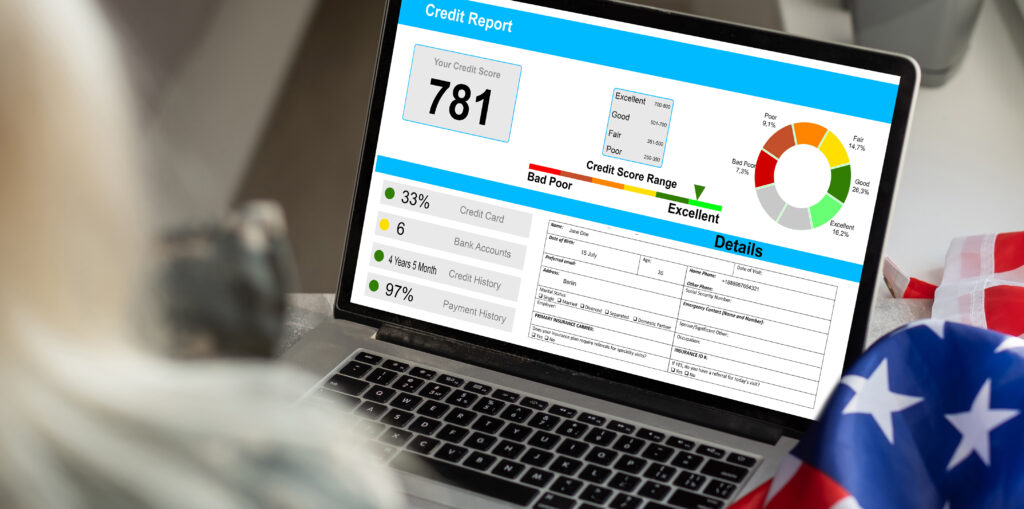
4.6 What Is a Credit Report? How to Check It and Fix Errors Fast

Credit reports are detailed records of credit history maintained by three major credit bureaus (Equifax, Experian, TransUnion) containing personal information, account details, payment histories, credit inquiries, and public records. Learn report contents, three bureau differences, free access via AnnualCreditReport.com, common errors affecting 20% of consumers, dispute processes, fraud detection, and report versus score distinctions.

Credit Management, Personal Finance Course

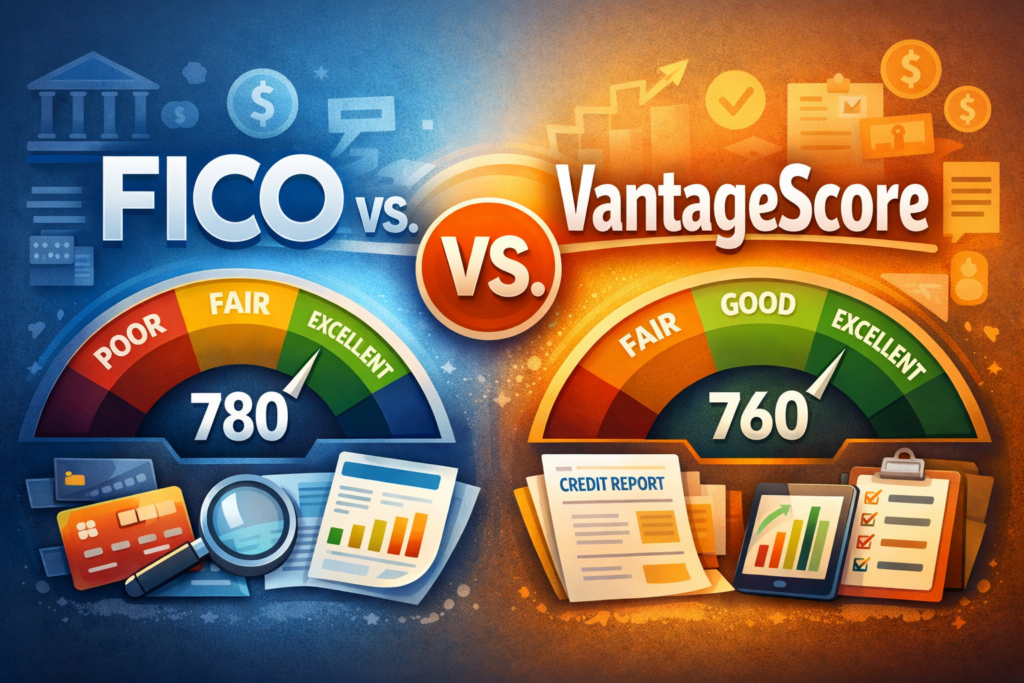
4.5 FICO vs VantageScore: What’s the Difference and Which One Matters More?

FICO and VantageScore represent two competing credit scoring models—FICO dominating lending decisions (90% of lenders) versus VantageScore dominating free consumer monitoring creating confusion when scores differ by 20-50 points. Learn model differences, lender usage patterns, factor weighting variations, which scores matter for mortgages/auto/cards, paid collection treatment differences, and strategic monitoring versus lending score prioritization.

Credit Management, Personal Finance Course

4.4 How Credit Scores Are Calculated (The 5 Factors That Matter Most)

Credit scores are calculated through proprietary algorithms analyzing hundreds of data points from credit reports—primarily FICO and VantageScore models weighing payment history (35%), amounts owed (30%), length of credit history (15%), new credit (10%), and credit mix (10%). Learn detailed calculation mechanics, factor weights, utilization thresholds, payment timing impacts, inquiry effects, optimization priorities, and strategic focus allocation based on mathematical algorithm weights.

Scroll to Top