Author name: Amit Bansal

Credit Management, Personal Finance Course

4.3 What Is a Credit Score? What It Means and Why It Matters

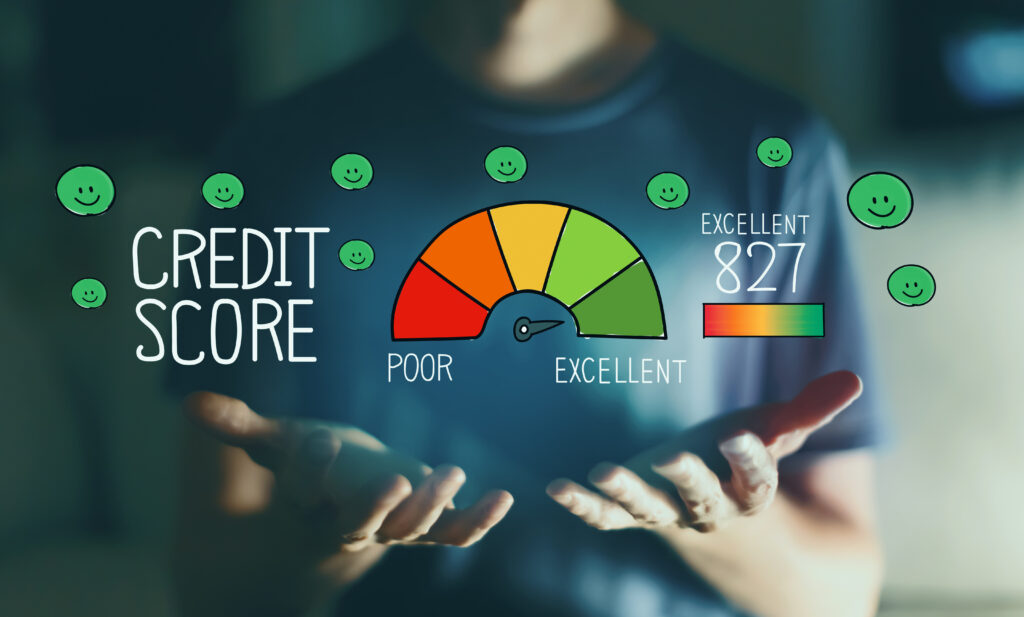
Credit scores are three-digit numerical representations (300-850 scale) of creditworthiness calculated from credit report data using proprietary algorithms—primarily FICO and VantageScore models—summarizing borrowing history, payment behavior, debt levels, and credit usage patterns into single number that lenders use for loan approval and interest rate determination. Learn score ranges, five weighted factors, checking methods, improvement strategies, building from zero, and avoiding common mistakes.


Credit Management, Personal Finance Course

4.2 Why Credit Matters: How It Affects Loans, Jobs, and Your Financial Life

Credit matters because modern financial life fundamentally requires credit access for major purchases like homes and vehicles, employment and housing opportunities increasingly depend on credit standing, and strategic credit use provides substantial financial advantages through lower borrowing costs, valuable rewards, superior fraud protection, and emergency flexibility impossible to replicate through cash-only approaches. Learn how excellent credit scores save hundreds of thousands in lifetime interest costs and why credit understanding represents essential modern financial skill.

Personal Finance Course, Saving Money

3.10 Saving Strategies That Actually Work (Even on a Tight Budget)

Saving strategies that work are evidence-based systematic approaches to accumulating wealth proven effective across diverse circumstances—pay yourself first automation, percentage-based allocation, lifestyle inflation prevention, windfall capture, multiple account organization, and goal-based targeting. Learn proven strategies combining behavioral psychology with mechanical implementation creating reliable wealth building through automation removing willpower dependency impossible to sustain long-term creating inevitable failure.

Personal Finance Course, Saving Money

3.9 Sinking Funds Explained: The Smart Way to Plan Future Expenses

A sinking fund is a dedicated savings category for specific predictable irregular expenses—holiday gifts, annual insurance premiums, property taxes, car maintenance, home repairs—where you systematically save small amounts monthly transforming large lump-sum bills into smooth manageable payments preventing budget disruption. Learn sinking fund categories, setup process, implementation methods, real-world examples, advanced strategies, and converting irregular expenses into predictable monthly allocations.

Personal Finance Course, Saving Money

3.8 How to Save for Big Purchases Without Going Into Debt

Saving for big purchases means systematically accumulating funds for major expenditures—vehicles, home down payments, weddings, major appliances—through dedicated savings strategy spanning months to years rather than financing through debt creating years of interest payments. Learn goal-setting, timeline planning, vehicle selection, acceleration strategies, motivation techniques, and achieving major acquisitions debt-free through planned accumulation impossible through perpetual financing approaches.

Personal Finance Course, Saving Money

3.7 Certificates of Deposit (CDs): Are They Worth It Right Now?

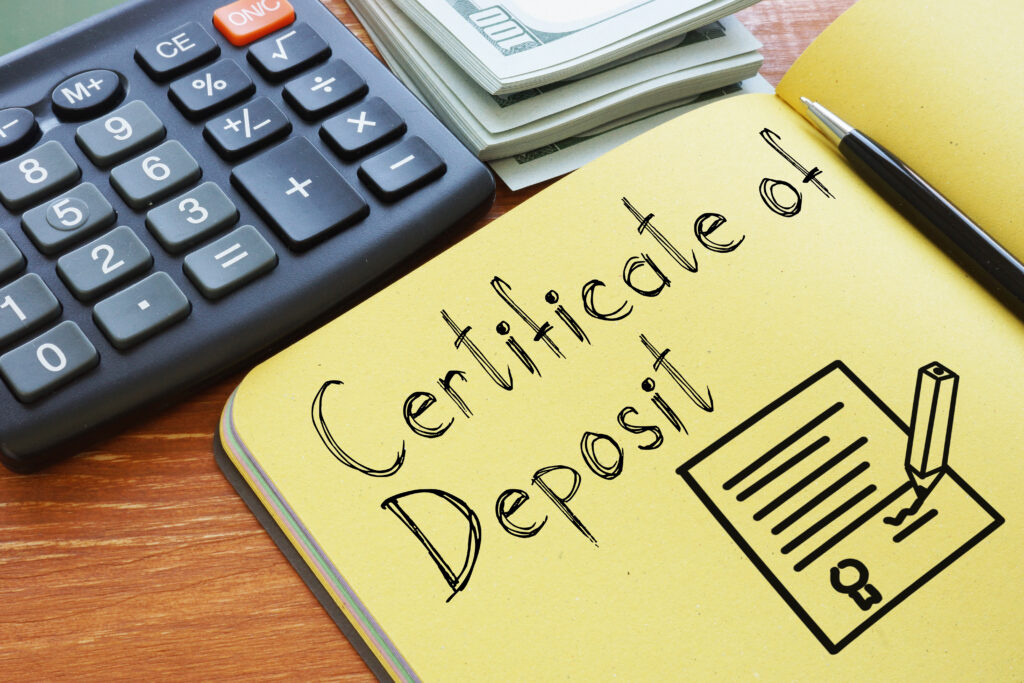
A certificate of deposit (CD) is a federally insured savings product requiring funds locked for fixed term (3 months to 5+ years) in exchange for guaranteed interest rate typically higher than regular savings accounts—offering 4-6% APY with FDIC insurance but imposing penalties for early withdrawal. Learn CD features, advantages and disadvantages, penalty structures, strategies like CD laddering, optimal use cases, and completing comprehensive savings vehicle allocation matching known timelines to guaranteed returns.

Credit Management, Personal Finance Course

4.1 What Is Credit? A Beginner’s Guide to How It Really Works

Credit is the ability to borrow money or access goods and services with the understanding that payment will be made later—a contractual promise to repay borrowed funds plus any agreed-upon interest or fees within specified timeframe creating financial flexibility. Learn credit fundamentals, types of credit, how credit costs money, creditworthiness evaluation, credit scores, and distinguishing between strategic credit use supporting wealth building versus destructive debt patterns.

Personal Finance Course, Saving Money

3.4 Short-Term Savings Goals: How to Save for What You Need Quickly

Short-term savings goals are specific financial targets achievable within 1-5 years requiring dedicated systematic savings—vacations, vehicle down payments, home repairs, wedding expenses, and major purchases. Learn goal setting, prioritization, implementation strategies, account management, balancing with long-term savings, advanced approaches, and achieving life milestones debt-free through systematic planning creating both practical benefits and psychological motivation.

Scroll to Top