Budgeting & Cash Flow Management

Budgeting & Cash Flow Management, Personal Finance Course

2.10 Monthly Cash Flow Planning: How to Make Your Money Last All Month

Monthly cash flow planning is the strategic coordination of income receipts and expense payments throughout the month—mapping when money arrives against when bills are due, ensuring sufficient funds available for each payment, and preventing overdrafts through deliberate timing management. Learn cash flow concepts, creating plans, common challenges, advanced strategies, and eliminating timing-based stress through forward calendar awareness and strategic bill scheduling.


Budgeting & Cash Flow Management, Personal Finance Course

2.9 Lifestyle Inflation: Why You Feel Broke Even When You Earn More

Lifestyle inflation (lifestyle creep) is the tendency to increase spending when income rises—upgrading living standards and adding expenses that become normalized, resulting in minimal savings improvement despite earning substantially more. Learn psychological mechanisms, cost analysis, prevention strategies, legitimate vs wasteful changes, and converting income growth into wealth accumulation rather than unconscious spending expansion consuming raises and preventing financial progress.

Budgeting & Cash Flow Management, Personal Finance Course

2.8 How to Automate Your Finances and Build Wealth on Autopilot

Automating finances is the systematic use of scheduled automatic transfers, bill payments, and investment contributions eliminating manual monthly financial tasks—including automatic savings transfers, bill autopay, retirement contributions, and investment deposits occurring without active intervention. Learn automation types, setup process, advanced strategies, common mistakes, monitoring systems, and achieving consistent financial success through systematic execution impossible with manual approaches.

Budgeting & Cash Flow Management, Personal Finance Course

2.7 Cash Envelope System: A Simple Trick to Stop Overspending Fast

The cash envelope system is a budgeting method where cash is withdrawn for variable spending categories and divided into labeled physical envelopes, with spending limited to available cash—preventing overspending through tangible visibility and forced accountability. Learn the psychology behind it, step-by-step setup, hybrid approaches, digital alternatives, safety strategies, success stories, and creating tangible spending control impossible with digital-only methods.

Budgeting & Cash Flow Management, Personal Finance Course

2.6 Zero-Based Budgeting: How to Give Every Dollar a Job

Zero-based budgeting is a budgeting method where every dollar of income is assigned a specific purpose—spending, saving, or debt repayment—until income minus all allocations equals exactly zero, ensuring no money remains unallocated. Learn the framework, step-by-step implementation, example scenarios, advanced concepts (sinking funds, variable income, age of money), advantages and challenges, and creating maximum intentional control through every-dollar assignment.

Budgeting & Cash Flow Management, Personal Finance Course

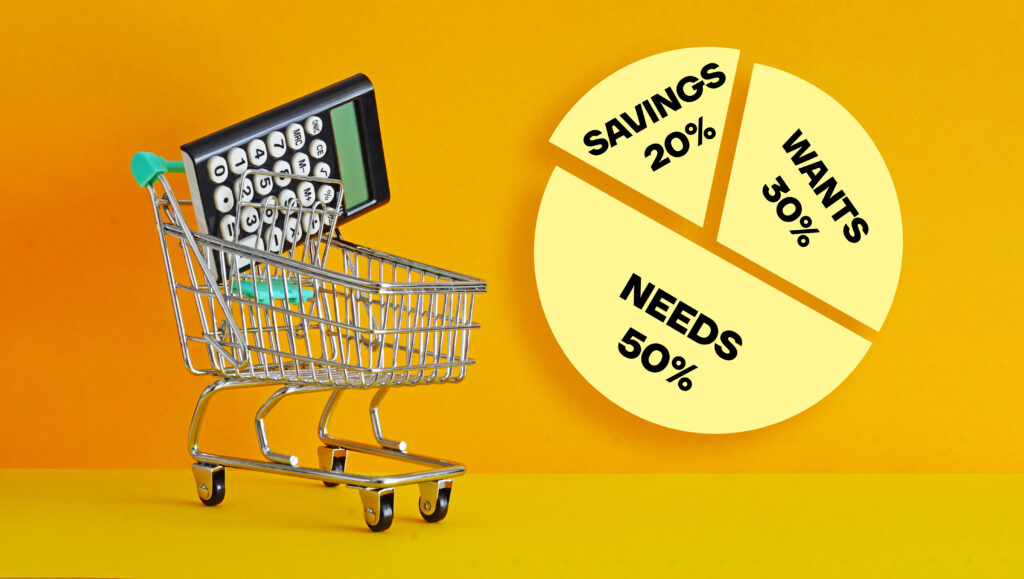
2.5 The 50/30/20 Rule Explained: The Easiest Way to Budget Your Money

The 50/30/20 rule is a simple budgeting framework allocating after-tax income into three categories: 50% to needs (essential expenses), 30% to wants (discretionary spending), and 20% to savings and debt repayment—providing accessible structure balancing necessities, enjoyment, and financial goals. Learn the framework, implementing steps, examples across income levels, common challenges, modifications, and creating sustainable budgets through straightforward three-category division.

Budgeting & Cash Flow Management, Personal Finance Course

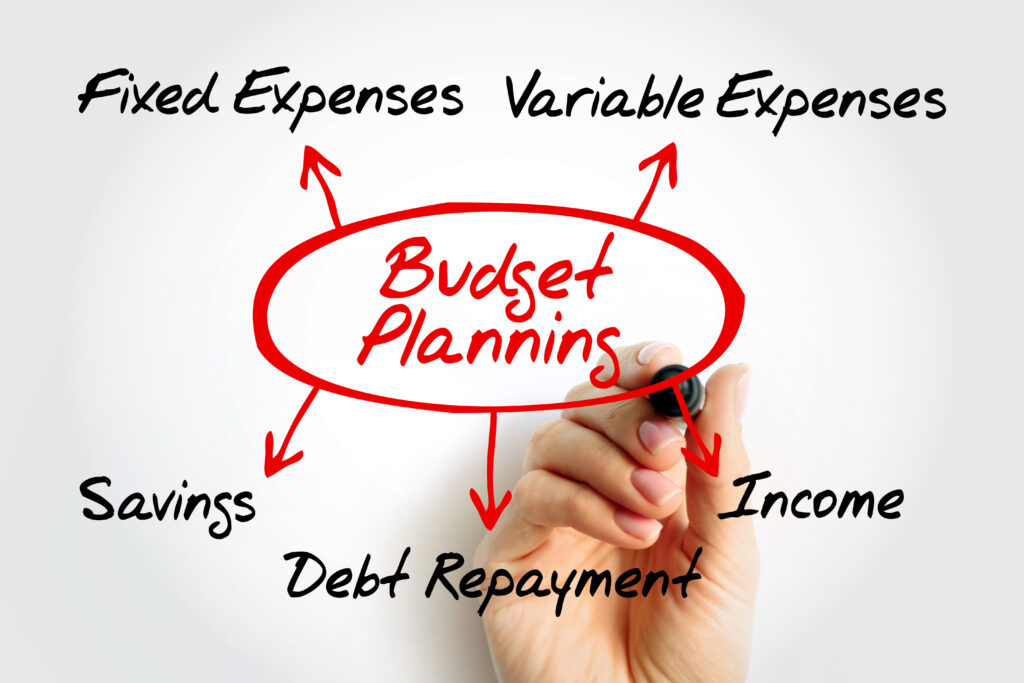
2.4 Fixed vs Variable Expenses: The Key to Smarter Budgeting

Fixed vs variable expenses distinguish between costs remaining constant monthly (rent, insurance, loan payments) versus expenses fluctuating based on usage or behavior (groceries, utilities, gas, entertainment)—with fixed expenses providing predictable stability while variable expenses offer control and optimization opportunities. Learn definitions, classification, budgeting strategies, optimization approaches, emergency planning, and transforming expense awareness into strategic financial management.

Budgeting & Cash Flow Management, Personal Finance Course

2.3 Expense Categories Explained: Where Your Money Really Goes Each Month

Expense categories are groupings of similar spending types used to organize, track, and analyze money flowing out—ranging from housing, transportation, and food to detailed subcategories enabling spending pattern recognition. Learn category types (fixed, variable, essential, discretionary), standard categories with typical percentages, creating customized systems, using category data for budgeting and optimization, common mistakes, and transforming transaction chaos into actionable financial insights.

Budgeting & Cash Flow Management, Personal Finance Course

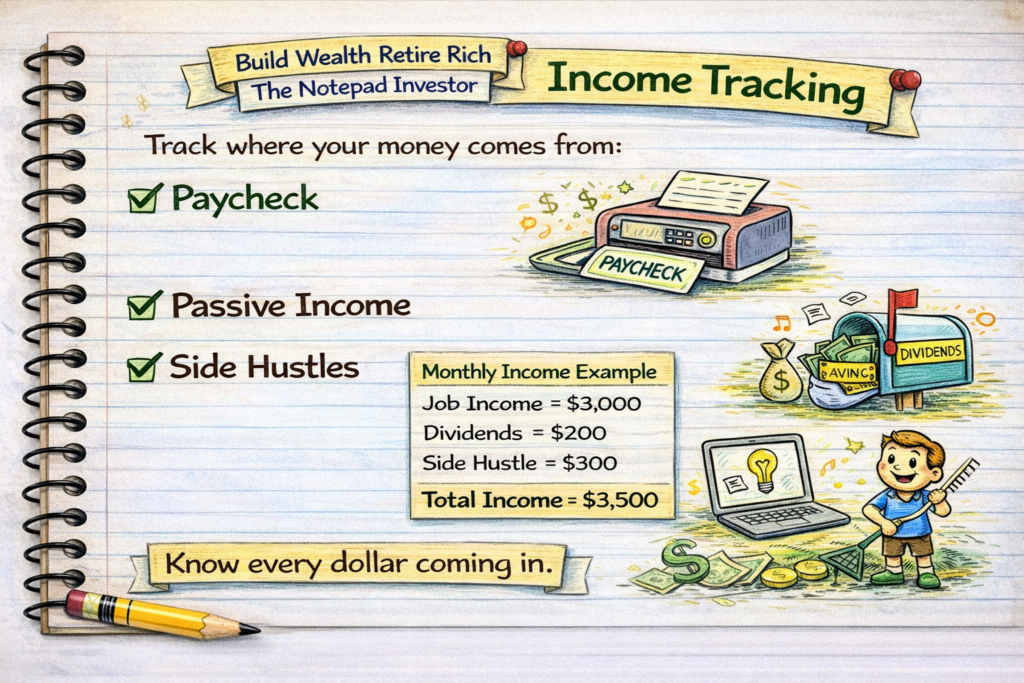
2.2 How to Track Your Income (And Know Exactly Where Your Money Comes From)

Income tracking is systematic recording and monitoring of all money flowing into accounts from employment, investments, side hustles, and other sources—providing complete earnings visibility enabling accurate budgeting, tax preparation, and financial planning. Learn income categories (earned, passive, benefits), tracking methods (spreadsheet, apps, accounting software), creating tracking systems, using income data, common mistakes, and transforming vague awareness into precise documentation.

Budgeting & Cash Flow Management, Personal Finance Course

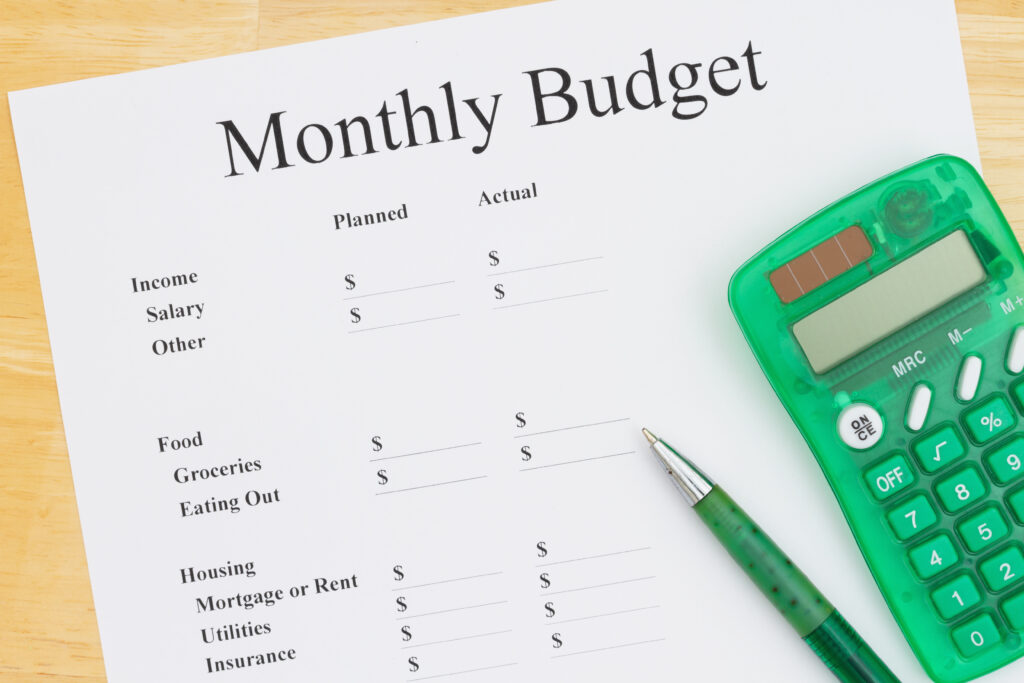
2.1 What Is a Budget? The Simple System to Take Control of Your Money

A budget is a financial plan allocating expected income across expense categories and savings goals, typically monthly—serving as spending roadmap ensuring money flows intentionally toward priorities. Learn budget definition, types (traditional, 50/30/20, zero-based, envelope, pay yourself first), creating your first budget, common mistakes, automation strategies, and transforming chaotic spending into intentional wealth building through systematic allocation.

Scroll to Top